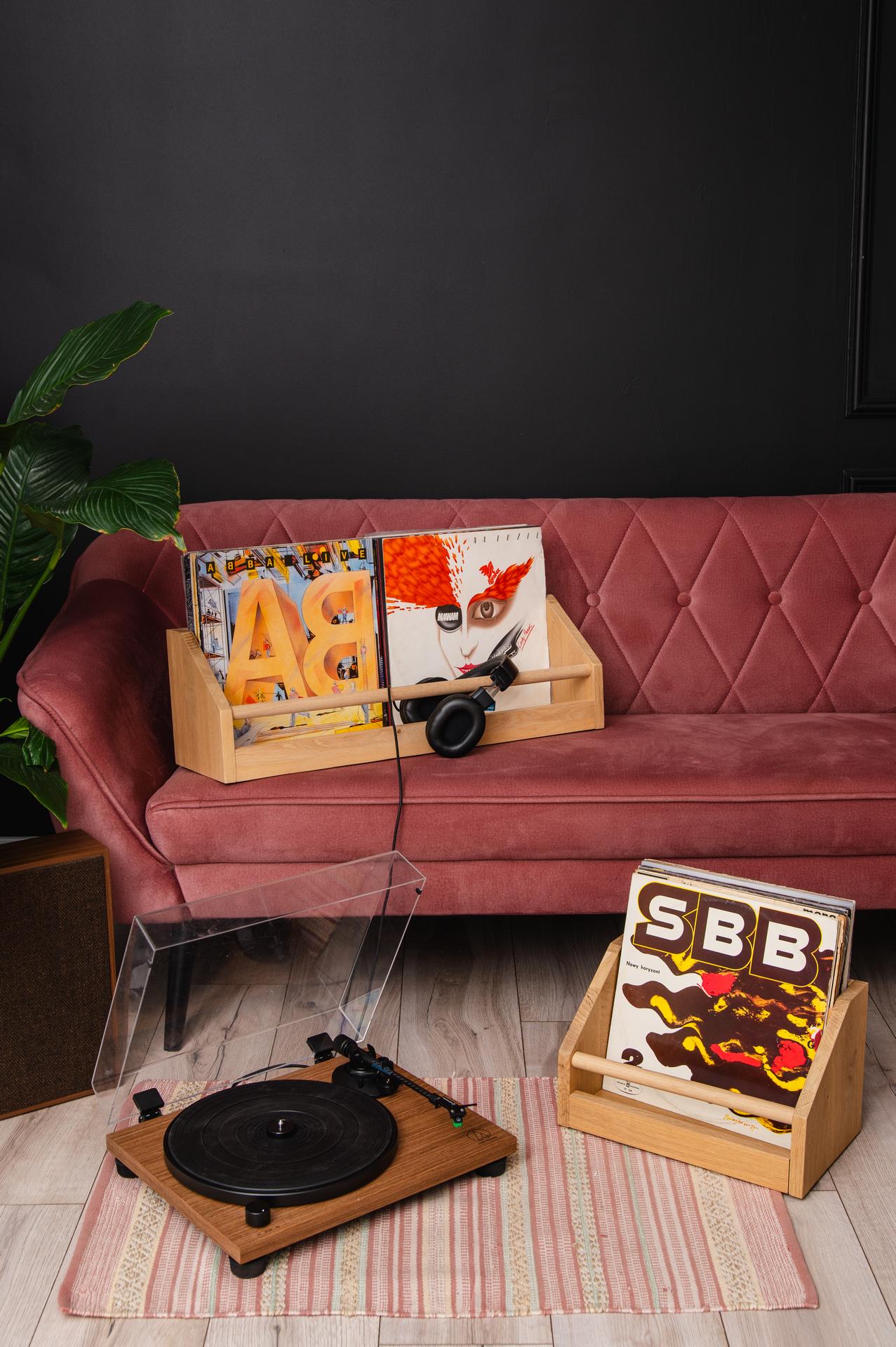
The vinyl craze is in full swing – new releases are appearing in stores, and collections from the '70s and '80s are regaining the attention they deserve. Owning vinyl is not only a pleasure, but also a responsibility. Every speck of dust, fingerprint, or dirt in the groove can degrade your favorite album and wear out your turntable needle faster. How do you care for vinyl records and what to clean them with? Read our guide and take care of your collection!
A Brief History of Vinyl
Vinyl records appeared on the market in the first half of the 20th century and for decades were the primary audio medium. They were then replaced by CDs and digital formats, fading into obscurity for a long time. Nostalgia for analog sound and the unique aesthetic of records have led to a true renaissance for vinyl. Many music lovers are returning to their roots – they appreciate the depth and distinctive hiss of sound played from vinyl records. Vinyl has also become a collector's item not only for the music itself, but also for its limited editions, covers, and history. More and more people are investing in turntables and seeking functional record racks and cabinets.
Why is regular vinyl cleaning important?
Vinyl records have long enjoyed immense popularity among music lovers for their unique analog sound and exceptional collectible nature. Each record is a physical medium recorded in the grooves of the disc. This is where the music resides, and the turntable stylus reads these microscopic indentations and transforms them into sound. Their delicate construction makes vinyl records highly susceptible to dirt and damage. Therefore, regular cleaning isn't just a cosmetic procedure—it's absolutely essential for caring for your collection.
Regular cleaning of vinyl is important for several reasons:
-
Protecting Sound Quality
Vinyl is an analog medium, so every detail is crucial. Even microscopic dirt deposited in the grooves can cause crackling, hissing, or needle skipping. Regular cleaning eliminates these disturbances, ensuring your music sounds clear. Remember, a record player's stylus works like a precision tool—its task is to track the groove with micrometer precision. Encountering dirt can cause unwanted sounds. -
Vinyl Durability
Dirt and dust aren't just an aesthetic problem—they act as fine abrasive particles. As the stylus moves along a dirty groove, it rubs not only against the vinyl itself but also against the accumulated residue. This results in micro-damage, which over time leads to irreversible loss of sound quality. Regular cleaning reduces the risk of such damage, ensuring your vinyl records will last for many years. This is especially important for rare or limited-edition albums that can't be replaced with a new copy. -
Protecting Your Record Player's Stylus
Many collectors forget that neglected records damage not only the vinyl itself but also the equipment itself. A record player's stylus is made of delicate materials and wears out much faster if it has to penetrate a layer of dirt and dust. -
Maintaining Collectible Value
The collectors' market can be very demanding, and the condition of a record plays a crucial role. Albums in perfect condition, free of scratches and dirt, command higher prices and find buyers more quickly. Regular cleaning and proper storage of records means maintaining the value of your collection or even increasing it over the years. -
Aesthetics and the Pleasure of Playing with a Record
The main goal of cleaning is, of course, to protect the sound and durability, but you can't forget about the visual aspect. A shiny, well-cared-for vinyl looks much better than a matte disc covered in dust and fingerprints. For many music lovers, playing with a vinyl record is a ritual – taking it out of its sleeve, placing it on the turntable, and listening to its distinctive analog sound. A clean record enhances this pleasure and makes listening to it a unique experience.
How to clean vinyl records: what should you pay attention to?
Cleaning vinyl records requires care and gentleness – incorrect methods can do more harm than good. Remember to always clean along the grooves, not across them, as this can damage them. Ambient temperature and humidity are also important – a very dry or too humid environment can affect the condition of the record and the effectiveness of the cleaning process. The cleanliness of your workspace is also crucial. The surface on which you clean the vinyl should be smooth and free of particles that can scratch the record. Avoid pressure – vinyl is susceptible to micro-damage, which affects sound quality. Make sure the record dries thoroughly after cleaning. Moisture trapped in the grooves can lead to mold growth or stylus corrosion.
How to clean vinyl records?
You can clean vinyl records using professional kits or at-home methods. In this section of the guide, we'll explain how to clean vinyl records and identify effective, safe, and easy-to-use solutions.
How to clean a vinyl record at home?
Homemade vinyl cleaning is an effective, affordable, and safe alternative to commercially available products. The basic solution is a three-ingredient solution: distilled water, isopropanol, and a drop of dish soap. It's crucial to maintain the correct proportions and use gentle cleaning materials to wipe the record surface.
How to clean vinyl records step by step?
-
Prepare the solution
In a clean bottle, pour 200 ml of distilled water, 50 ml of isopropyl alcohol (approx. 70-90%), and add 1 drop of dish soap (preferably fragrance-free and dye-free). Then gently mix all ingredients. -
Protect the label
Before cleaning, cover the center of the disc with foil or paper to prevent the label from getting wet.Nanieś roztwór -
Use a soft microfiber cloth or a special antistatic brush. Lightly spray the prepared solution onto it (do not spray directly onto the record!) and wipe the vinyl in circular motions along the grooves.
-
Dry the disc
After wiping, use a second, dry, clean microfiber cloth to thoroughly dry the disc surface. -
Allow to dry
Place the record upright on a stand or in a special holder to allow it to dry completely before reinserting it into its case.
The method described here effectively removes dust, greasy fingerprints, and other contaminants without damaging the disc. Regular use will help keep your collection in excellent condition.
How to clean vinyl? Antistatic brushes, microfiber cloths, and cleaning mats.
Using special brushes and accessories is one of the simplest and safest ways to care for your records daily. Antistatic brushes are typically made of carbon fiber – their task is to remove dust and discharge static electricity that attracts dirt particles. Regularly using a brush before and after playing a record effectively prevents dirt from accumulating in the grooves. Microfiber is ideal for deeper cleaning because it is gentle, effective, doesn't scratch the surface, and works well with cleaning fluids. You can also consider purchasing cleaning mats – special pads on which the record is placed during cleaning. All of these solutions are fundamental to maintaining the hygiene of your collection and significantly extend the life of your record and stylus.
How to clean vinyl? Record cleaning fluids.
Cleaning vinyl records with ready-made liquids is very effective and convenient. Most of them are based on distilled water and isopropyl alcohol in appropriate proportions and supplemented with antistatic and softening substances. How to clean a vinyl record with liquid? Apply a small amount of the substance to a cloth, wipe and leave to dry. Professional sets often also include special applicators, brushes and instructions - thanks to which even beginner collectors can cope without any problems. These liquids are safe for the structure of vinyl and effectively remove grease, dust and old dirt. Choose products from reputable brands and avoid products containing strong detergents.
How to clean vinyl records from dust?
Dust is the biggest enemy of any vinyl collection – it settles on the surface of records, penetrates the grooves, and can cause crackling, distortion, and even permanent damage to the stylus. Therefore, clean the record regularly and remove dust from the surface before each listening session. For daily cleaning, we recommend antistatic carbon fiber brushes. Alternatively, you can use a soft microfiber cloth. In most cases, you can remove dust dry without using cleaning fluids. Pay particular attention to how you store your vinyl records. Keep them in antistatic inner sleeves, seal them in airtight sleeves, and store them vertically in racks or cabinets. This will reduce the amount of dust that settles on the records and make cleaning them easier.
Regular vinyl care will allow you to enjoy perfect sound for years. You can use home remedies (a homemade cleaning mixture) or ready-made cleaning fluids available in stores. When cleaning, use soft cloths and be very gentle with the vinyl.