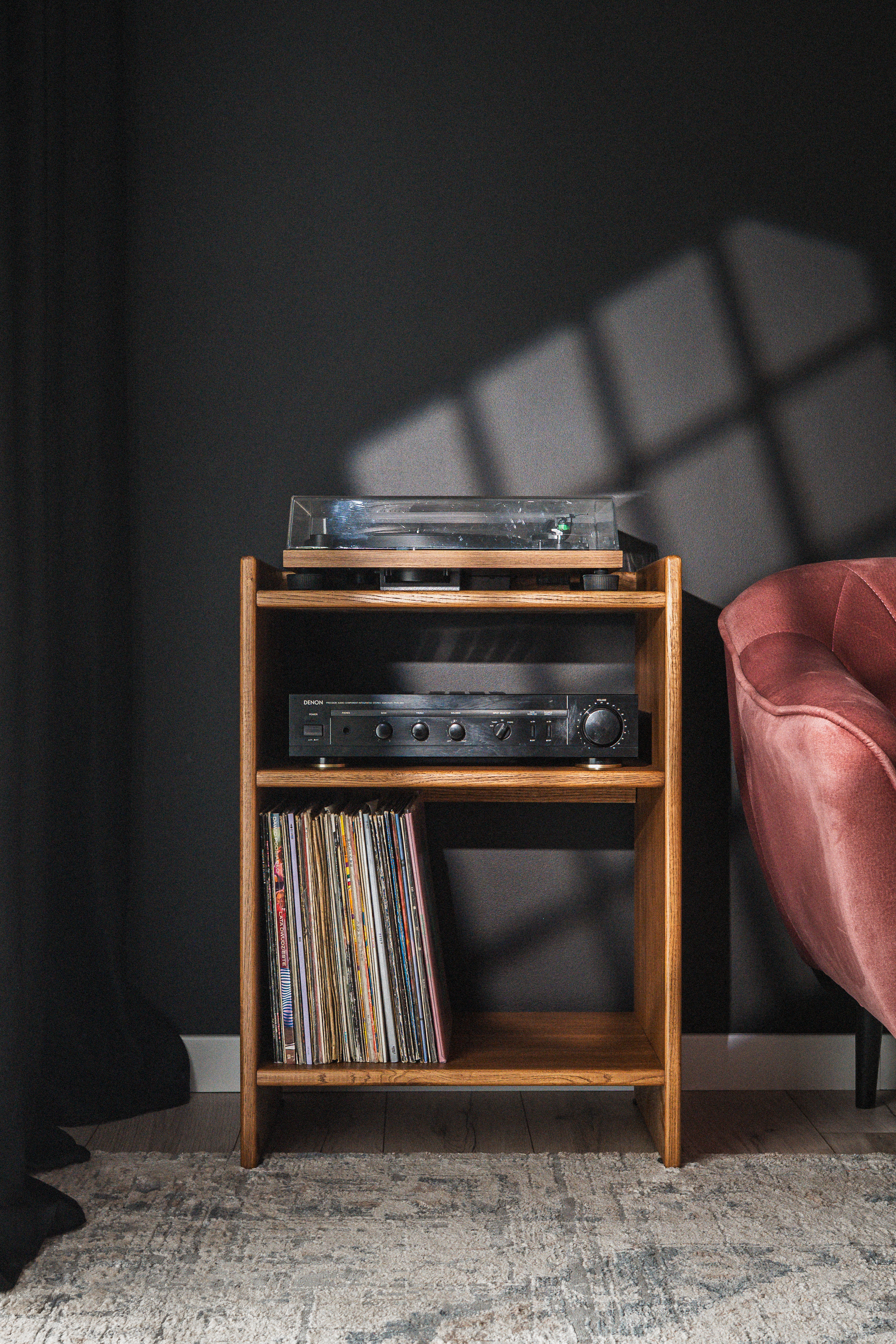
In the era of minimalism and modern interior design, more and more people are seeking warmth, color, and a unique character in their homes. Retro style allows us to recapture what's most beautiful in design: originality, craftsmanship, and the emotional dimension of space. Retro interiors attract attention with their natural materials, soft furniture lines, and subtle nostalgia. Read our post and learn about the recommended solutions for retro interiors.
Retro: a return to style with soul
Retro style is a tribute to the design of the 1950s, '60s, and '70s, which has been gaining popularity over time. Interiors designed in this spirit combine nostalgia with a unique atmosphere and originality. Furniture and accessories characteristic of these decades carry history and the unmistakable charm of handcrafted craftsmanship and high-quality materials. Retro is making a comeback not only in fashion but also in interior design as an antidote to the coldness of minimalism and mass production. You can choose original period pieces or high-quality furniture and stylized objects that capture the spirit of the era while simultaneously meeting contemporary standards of comfort. Original pieces have soul and signs of wear, while new retro furniture allows for easier adaptation of the interior to current needs. The return to retro also means a return to the idea of durability and uniqueness – instead of replicating trends, we focus on items with history and distinctive style.
Retro style: main features and inspirations
Retro draws inspiration from 20th-century design – a time of bold forms, interesting color combinations, and a distinct departure from classical interior design principles. An artistic, creative, and optimistic approach dominated the era. Geometric patterns, organic shapes, and contrasting colors created a distinct and cozy atmosphere. Retro interiors were full of energy – combining inspiration from nature with a futuristic approach to form. Typical of this style are rounded lines, rounded backs and legs of furniture, as well as dynamic details in the form of wallpaper with abstract motifs. The color palette of the retro style is a mix of warm and saturated hues. Mustard yellow, olive green, turquoise, reddish brown, brick orange, and deep navy are colors that instantly transport the atmosphere of bygone decades. Geometric, floral, and mosaic patterns appeared on fabrics, wallpapers, and ceramics. Contemporary interpretations of retro strike a balance between vintage and modern, often combining retro with minimalism or Scandinavian warmth.
Retro style and interiors: materials, colors and solutions
Retro-style interiors are characterized by warmth, functionality, and coziness. They combine natural materials with bold colors and original patterns. Despite their expressiveness, they remain harmonious, as every detail has its place and meaning. Retro allows for the blending of old and new – original period furniture with modern accessories, wooden floors with colorful ceramics, and velvet with metal. However, moderation and consistency are key – a retro interior shouldn't be overloaded, but should exude warmth and individual character.
How to create a retro-style interior?
-
Choose natural materials
Wood, veneer, rattan, velvet, and leather are classic retro styles. They add elegance and an authentic 1960s feel to any interior. -
Colors from the Past
Choose warm, saturated colors like browns, yellows, greens, and oranges. For a modern twist, you can combine them with a neutral base like white, beige, or gray. -
Geometric patterns
Use them on wallpaper, cushions, or rugs. Abstract lines and repetitive motifs give your interior a distinctive design. -
Lighting with character
Milky glass lamps, brass wall sconces, or spherical chandeliers bring coziness and stylish nostalgia. -
Details and accessories
An old radio, a gramophone, period posters, communist-era ceramics, or designer clocks add authenticity and soul to the interior. -
Balance of Form
If a room features a variety of colors and patterns, ensure the furniture has straight lines and a cohesive composition – this will prevent the impression of chaos.
Retro furniture: what makes it stand out?
The furniture is characterized by slender, tapered legs, streamlined shapes, and subtle ornamentation. The most common pieces are made of solid wood or veneer in warm shades of walnut, oak, or teak. They are often combined with metal elements or upholstered in velvet and faux leather. Typical of the retro style are chests of drawers, display cabinets, and coffee tables with minimalist forms yet with a distinct character. Armchairs and sofas have soft seats, low backrests, and often rounded shapes, giving them a light feel. Upholstery with geometric patterns, bouclé fabrics, or quilting add a cozy and stylish touch. Pay attention to the details, too – brass handles, wooden knobs, or intricate stitching. Retro furniture is also distinguished by its quality of craftsmanship – these are pieces designed to last for years, just like their predecessors from decades ago.
Retro style in the apartment
Retro is an incredibly flexible aesthetic that works beautifully in any room. The living room is dominated by furniture with rounded shapes and wooden legs, veneered chests of drawers, and armchairs in geometric fabrics. 1960s-style details complete the look, including a record player, a floor lamp with a shade, and a vintage movie poster. In the bedroom, retro style creates an atmosphere of calm and coziness thanks to natural materials, pastel colors, and delicate fabrics. Upholstered headboards, dressing tables with slender legs, and patterned curtains are perfect here. A retro kitchen combines functionality and nostalgia – pastel-colored fronts, ceramic handles, 1950s-style refrigerators, and small vintage appliances create a unique atmosphere. Retro also harmonizes perfectly with modernity. Just one striking element, such as a mustard-colored sofa or a frosted glass lamp, can give the entire interior a distinctive character.
Retro interiors: accessories that create the atmosphere
It's worth emphasizing that retro style in a home is largely based on the details. Retro accessories give a room soul, warmth, and a unique character. Well-chosen accessories can completely transform a space – even if the design is based on contemporary furniture. Retro interiors love originality and a personal touch: memorabilia from yesteryear, applied art, handmade fabrics, or restored furniture from grandparents.
Recommended accessories for retro interiors:
-
Vintage Wall Clock
A metal clock with a large face or wooden frame is reminiscent of a time when design was simple and effective. It looks great above a dresser or in the kitchen. -
Ceramics and glass from the 1960s and 1970s. Organic-shaped vases, colored glass tumblers, and cup sets with distinctive patterns bring lightness and color to interiors.
-
Fabrics with geometric patterns
Curtains, pillows, and rugs in vibrant colors add energy to the interior. -
Movie posters and graphics
For many people, they are a way to express themselves. -
Period Lighting
Spherical lamps, brass wall lamps, and fabric or frosted glass shades create soft light and a nostalgic atmosphere. -
Furniture from the Vinyl Vibe collection is a perfect blend of modern functionality and classic retro design. Characterized by rounded shapes, oak wood, and slender legs.
-
A record player, radio, or camera from the old days
Details create an authentic vintage atmosphere and bring a touch of nostalgia and originality to the interior.
Retro style at home: why is it worth it?
The aesthetic combines warmth, authenticity, and timeless elegance. Retro never goes out of style – it returns periodically, continuing to inspire designers and lovers of beautiful spaces. Interiors decorated in this style allow for the expression of individuality and embrace objects with a history rather than mass-produced furniture. This makes every retro-style home unique and full of emotion. The style promotes ecology – restoring old furniture and reusing objects is a form of conscious design consistent with the idea of slow design. Retro also represents coziness and balance – warm colors, soft fabrics, and natural materials create a space where one wants to relax. It's a style that not only decorates but also evokes memories and fosters an atmosphere of closeness.
Retro interiors: the most common mistakes
While retro style may seem easy to recreate, it's easy to fall into the trap of overdoing it or becoming chaotic. One of the most common mistakes is combining too many decades at once – the interior loses cohesion and looks like a random collection of objects. An overabundance of patterns and colors can be equally problematic. Retro requires balance – a strong accent like wallpaper or a colorful sofa should be balanced by a calming base. Another mistake is buying low-quality, stylized furniture that only pretends to be original and, instead of creating atmosphere, quickly ages and loses its charm. Avoid mixing retro with overly modern elements, which can disrupt the harmony of the interior. Another problem is a lack of restraint in accessories – too many details make the space feel cluttered. In retro interiors, every item matters and should fit the concept. Proper lighting is often overlooked, as it can bring out the character of furniture and accessories with soul.
Do you dream of an interior with character, combining style, functionality, and a touch of nostalgia? Retro will be the perfect choice! Style allows you to experiment, combine old with new, and create arrangements full of warmth and personal character. Choose solid furniture, original accessories, and a cohesive color scheme, and your apartment will take on a unique atmosphere.